How to Choose the Best Virtual Sim for Brazil Travelers in 2026
8/22/2026
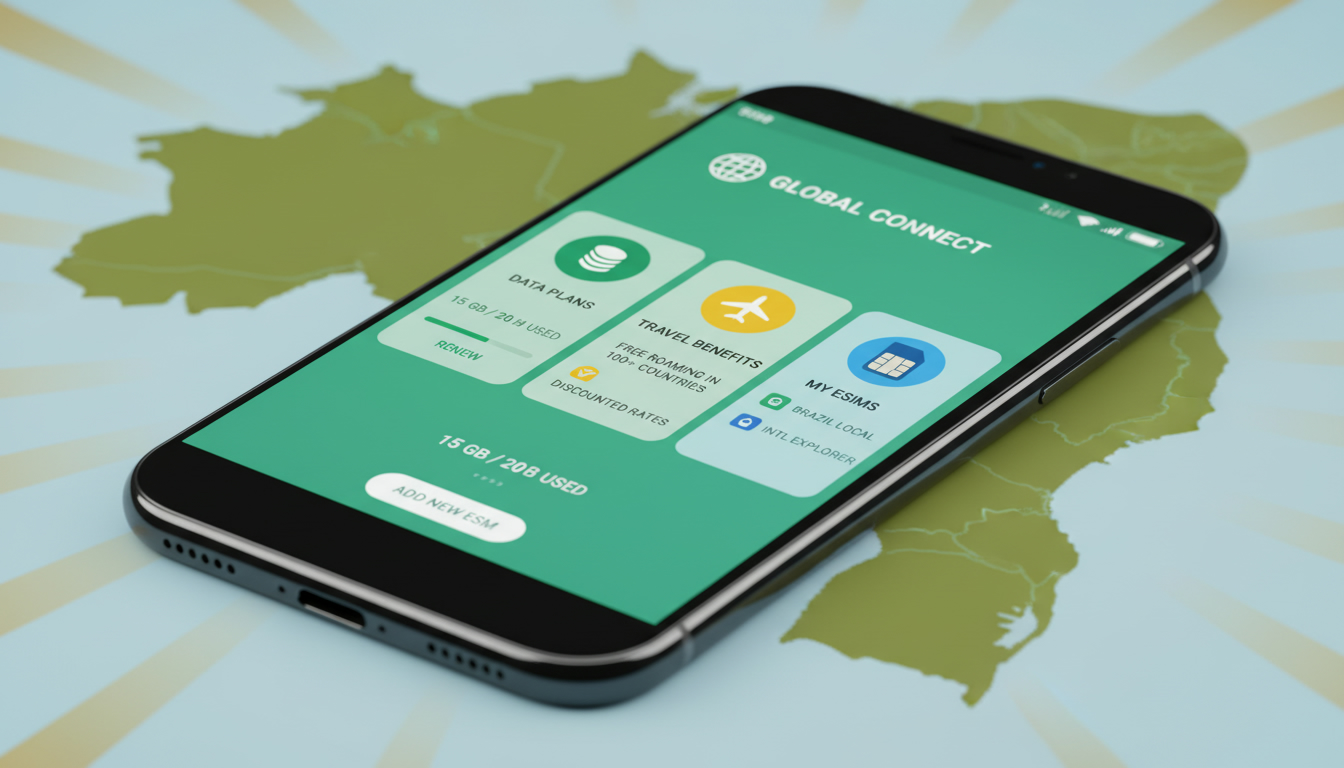
In short, what you'll discover in this article: Learn what a virtual SIM is, how it works, and the benefits it offers over physical SIM cards. Explore practical activation steps, security tips, and real-world uses for travelers and businesses in Brazil.
Find out how to choose the best virtual SIM provider for your needs.
1. What Is a Virtual SIM?
1.1 Definition and Differences Between Physical SIM, eSIM, and Virtual SIM
A virtual SIM is a digital alternative to the traditional physical SIM card that allows your mobile device to connect to a cellular network without inserting a physical chip. Unlike a physical SIM card, which is a small plastic card containing your subscriber identity, a virtual SIM exists as software or a profile stored on your device or in the cloud.
The eSIM (embedded SIM) is a related technology that physically resides inside your phone but can be programmed remotely with different carrier profiles. A virtual SIM goes further by enabling multiple numbers or profiles without needing any hardware change.
In summary:
- Physical SIM: Tangible card inserted into your phone.
- eSIM: Embedded chip programmable over the air.
- Virtual SIM: Entirely software-based number management without hardware dependency.
This distinction is crucial for travelers or residents in Brazil who want flexibility in managing multiple numbers or switching carriers easily.
1.2 How Virtual SIMs Work (Profiles, Provisioning, eUICC)
Virtual SIM technology relies on profiles that represent your mobile subscription. These profiles are provisioned remotely through secure channels using standards like eUICC (embedded Universal Integrated Circuit Card).
The provisioning process downloads and activates the profile on your device or app.
When you activate a virtual SIM, your device receives network credentials digitally, allowing it to authenticate with the carrier just like a physical SIM would. This process enables instant switching between carriers or plans without swapping cards.
The provisioning involves:
- Selecting a virtual SIM provider.
- Downloading the profile via QR code or app.
- Activating the profile on your compatible device.
- Managing multiple profiles if supported.
This seamless process is especially helpful for international travelers who want local numbers without buying physical cards in each country.
2. Advantages and Disadvantages of Virtual SIM
2.1 Benefits for Consumers
Virtual SIMs offer several benefits for individual users:
- Convenience: No need to physically swap cards; switch plans instantly.
- Multiple Numbers: Manage personal and business lines on one device.
- Travel-Friendly: Easily get local numbers in Brazil or abroad to avoid roaming fees.
- Cost Savings: Often cheaper than traditional roaming or buying local physical SIMs.
- Instant Activation: Activate plans online without visiting stores.
For example, travelers visiting Brazil can use virtual SIM plans from providers like Roamic or eSIM.dog to stay connected affordably without roaming charges.
2.2 Benefits for Businesses and IoT
Businesses benefit from virtual SIMs by:
- Simplifying fleet management with remote provisioning.
- Reducing operational costs by consolidating connectivity plans.
- Enhancing IoT deployments with scalable and flexible connectivity.
- Improving security through centralized control of profiles.
IoT devices deployed across Brazil can leverage virtual SIM technology to maintain reliable connections without manual intervention.
2.3 Limitations and Considerations (Compatibility, Security, Regulation)
Despite their advantages, virtual SIMs have some limitations:
- Device Compatibility: Not all phones support virtual SIM technology; check if your mobile device supports eSIM or virtual profiles.
- Security Concerns: Digital profiles require strong encryption and key management to prevent unauthorized access.
- Regulatory Issues: Some countries have restrictions on virtual numbers or require physical registration of users.
- Network Restrictions: Certain carriers may limit virtual SIM usage or features.
Users should verify compatibility with their device and local regulations before fully relying on virtual SIMs.
3. Security and Privacy
3.1 Main Risks
Virtual SIMs introduce new security challenges such as:
- Profile cloning or interception during provisioning.
- Unauthorized access if encryption keys are compromised.
- Potential privacy risks if providers mishandle user data.
Understanding these risks helps users stay vigilant when managing their digital identities.
3.2 Best Security Practices (Encryption, Key Management, MFA)
To mitigate risks:
- Use providers that implement strong end-to-end encryption during profile provisioning.
- Manage cryptographic keys securely within trusted hardware modules.
- Enable multi-factor authentication (MFA) for account access on apps managing virtual SIMs.
- Regularly update device software to patch vulnerabilities.
Following these practices ensures safer use of virtual SIM technology.
4. Activation and Configuration Step-by-Step
4.1 Prerequisites (Device, OS, Carrier)
Before activating a virtual SIM:
- Confirm your mobile device supports eSIM or virtual profiles (e.g., recent iPhone models, certain Android phones).
- Ensure your operating system is updated to the latest version supporting eSIM functionality.
- Check that your chosen carrier or provider supports virtual SIM activation in Brazil.
4.2 Activation Guide (Concrete Steps) and Troubleshooting
To activate a virtual SIM:
- Choose a reputable provider offering Brazilian coverage such as Roamic or eSIM.dog (codes like MYBESTSIM may provide discounts).
- Purchase a plan via their website or app.
- Receive an activation QR code or download link for the profile.
- On your phone, go to Settings > Cellular > Add Cellular Plan (iPhone) or equivalent on Android.
- Scan the QR code or import the profile file.
- Follow prompts to complete activation.
- Test connectivity by making calls or using data.
If issues arise:
- Restart your phone after activation.
- Verify network settings are correct.
- Contact provider support for assistance.
This straightforward process makes switching to a virtual sim easy even for first-time users.
5. Real-Life Use Cases
5.1 Benefits for Individuals (Travel, Dual Virtual SIM)
Travelers visiting Brazil can benefit from having a virtual sim by:
- Avoiding expensive roaming fees with local data plans activated instantly upon arrival.
- Using dual-SIM functionality virtually to keep their home number active while using a Brazilian number simultaneously.
- Managing multiple social apps linked to different numbers easily through one device.
This flexibility enhances communication convenience during trips.
5.2 Benefits for Businesses and IoT (Fleet Management, Cost Control)
Companies operating fleets in Brazil gain from:
- Deploying devices with pre-provisioned virtual sims remotely updated as needed.
- Reducing costs by consolidating telecom contracts under one management platform.
- Monitoring usage centrally to prevent unexpected charges.
IoT solutions like smart meters or trackers benefit from reliable connectivity without manual sim swaps.
6. Pricing Models and Choosing a Provider
6.1 Comparison of Pricing Models
Virtual sim providers typically offer:
- Pay-as-you-go: Charges based on actual data/voice usage.
- Fixed data packages: Prepaid bundles valid for specific durations (e.g., 3GB for 30 days).
- Unlimited plans: Flat fee for unlimited data within validity period.
For example, Brazilian-focused providers offer competitive prepaid plans such as:
| Provider | Data | Validity | Price (USD) | Promo Code |
|---|---|---|---|---|
| Roamic | 3 GB | 14 days | $5.99 | MYBESTSIM (-10%) |
| eSIM.dog | 3 GB | 1 day | $2.99 | — |
| JamboSim | 3 GB | 30 days | $5.99 | — |
| Redtea | 3 GB | 30 days | $6.30 | — |
These options allow users to pick plans tailored to trip length and data needs.
6.2 Criteria for Selecting a Provider
When choosing the best virtual sim provider in Brazil consider:
- Network coverage quality across regions you’ll visit.
- Pricing transparency and available discounts like those found via MyBestSim comparison tools.
- Ease of activation and customer support responsiveness.
- Compatibility with your mobile device model and OS version.
- Security features offered by the provider during provisioning and usage.
Using resources like brazil-esim.com/blog/esim-brazil can help compare providers thoroughly before purchase.
7. Roaming and Multi-Country Management
7.1 Cost Optimization and Limitations
Virtual sims simplify roaming by allowing you to activate local plans digitally without swapping cards physically when crossing borders like entering Brazil from neighboring countries.
However:
- Some providers may restrict usage outside certain countries despite multi-country plan claims.
- Data speeds may vary depending on roaming agreements between carriers.
Planning ahead with multi-country compatible providers can optimize costs during international travel in South America.
8. Technical Integration and APIs
8.1 Automated Provisioning and API Examples
For enterprises deploying large-scale IoT devices or managing many employees’ phones, APIs enable automated provisioning of virtual sims at scale without manual intervention.
Typical API features include:
- Profile creation and assignment
- Activation status monitoring
- Usage analytics
- Remote suspension/reactivation
Providers offering such APIs streamline operations significantly but require technical expertise for integration into existing systems.
9. Regulation and Compliance
9.1 Legal Points to Know by Market
In Brazil, regulations require telecom operators to verify subscriber identities even for virtual sims due to anti-fraud laws.
Key compliance aspects include:
- Mandatory user registration with valid ID documents during purchase/activation
- Data retention policies aligned with local privacy laws
- Restrictions on anonymous use of mobile numbers
Understanding these rules ensures lawful use of virtual sims while avoiding service interruptions.
10. Conclusion and Practical Recommendations
Virtual sims represent an innovative way to manage mobile connectivity flexibly and cost-effectively—especially valuable for travelers heading to Brazil or businesses deploying IoT devices nationwide. By understanding how they work, their benefits, security considerations, and activation steps, you can make an informed choice that simplifies phone use abroad or locally.
For those planning trips soon, exploring offers from top-rated providers like Roamic using promo codes such as MYBESTSIM can deliver excellent value while staying connected effortlessly across Brazil’s vast regions.
For more detailed guidance on activating an eSIM in Brazil or finding travel-specific plans tailored for visitors, visit brazil-esim.com/blog/how-to-get-esim-in-brazil and brazil-esim.com/blog/brazil-travel-esim.
Explore the best options confidently with MyBestSim’s trusted comparisons to find the perfect plan that fits your travel itinerary or business needs seamlessly!
FAQ
What is the main difference between virtual SIM and eSIM?
A virtual SIM is entirely software-based and does not require any physical hardware, while an eSIM is a physical chip embedded in the device that can be programmed remotely. Virtual SIMs allow managing multiple profiles without hardware changes, offering greater flexibility.
How do I activate a virtual SIM on my phone in Brazil?
To activate a virtual SIM, select a provider with Brazilian coverage, purchase a plan, then scan the provided QR code or download the profile via an app. Follow your phone’s settings to add the cellular plan and complete activation for immediate use.
Can virtual SIMs help reduce roaming costs when traveling?
Yes, virtual SIMs let travelers activate local data and voice plans instantly without buying physical SIM cards, helping avoid expensive roaming fees. This is especially useful in Brazil, where you can get local numbers digitally for better cost control.
Are all phones compatible with virtual SIM technology?
No, not all devices support virtual SIMs. Compatibility depends on whether your phone supports eSIM or virtual profiles, which is common in recent iPhone models and some Android phones. Always check your device specifications before purchasing.
What security measures protect virtual SIM profiles from hacking?
Virtual SIM providers use strong end-to-end encryption during profile provisioning and secure key management within trusted hardware. Users should enable multi-factor authentication and keep their device software updated to minimize risks of unauthorized access.

Marina Costa
Marina is a travel writer who has crossed Brazil from Rio to the Amazon. At Brazil eSIM she compares Claro, Vivo and TIM data plans and helps visitors stay online without roaming fees.