How to Get a Local Sim for Reliable Mobile Data in Brazil 2026
8/13/2026
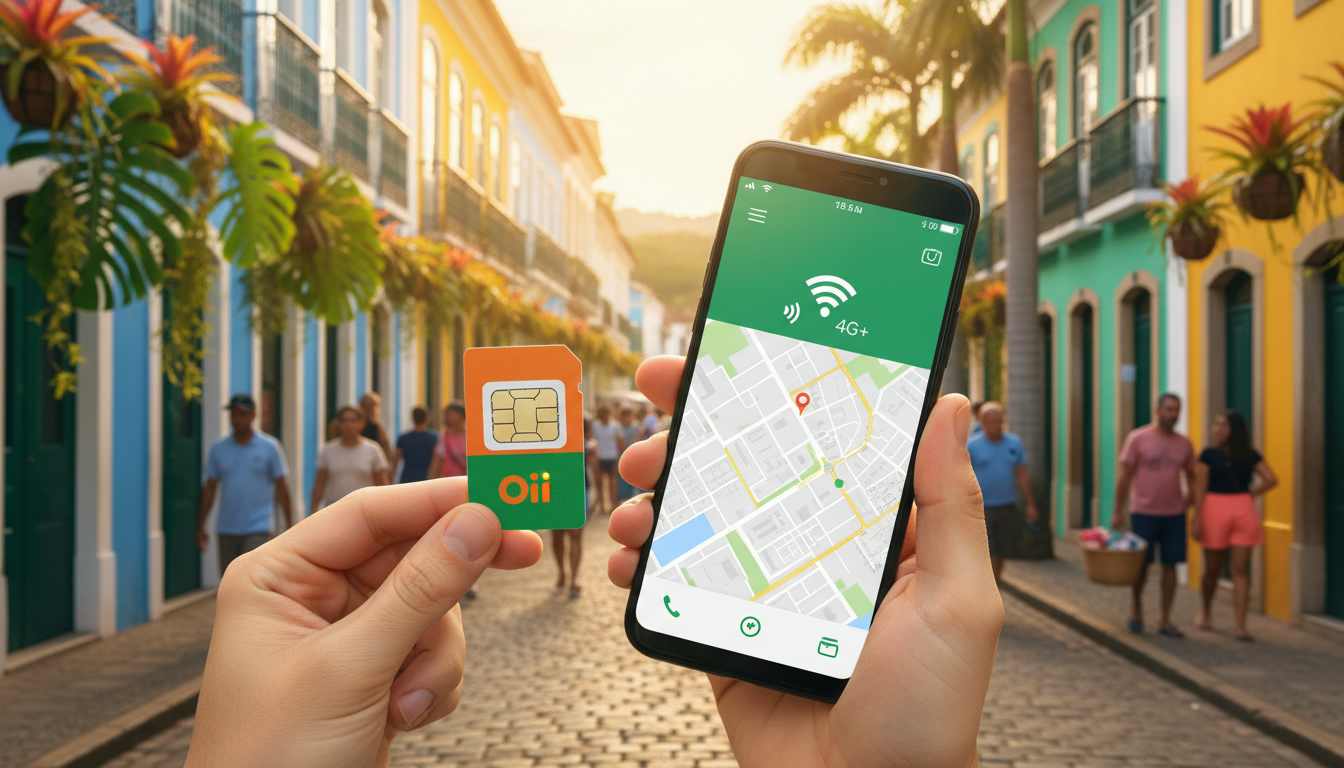
In short, what you'll discover in this article: Learn what a local SIM card is, why it’s a smart choice for travelers in Brazil, and how to buy and activate one easily. Get practical tips to save on mobile data costs and stay connected without roaming fees.
1. What Is a Local SIM Card?
1.1 Definition and Differences from Roaming or International SIMs
A local SIM card is a SIM issued by a mobile network operator in the country you are visiting—in this case, Brazil. Unlike international SIM cards or roaming services, a local SIM provides you with a Brazilian phone number and access to local networks at domestic rates.
This means better coverage, faster speeds, and often lower costs compared to using your home SIM abroad.
1.2 eSIM vs Physical SIM — Advantages and Limitations
Local SIM cards come in two forms: physical SIMs and eSIMs. A physical SIM is a traditional plastic card you insert into your phone.
An eSIM is a digital SIM embedded in your device that you can activate remotely without swapping cards.
Advantages of eSIMs:
- Instant activation without visiting stores.
- Multiple profiles on one device.
- Easy switching between plans.
Limitations:
- Requires an eSIM-compatible smartphone.
- Some older phones don’t support eSIM.
For travelers interested in the local SIM for smartphones with the latest technology, an eSIM offers convenience, but physical SIMs remain widely available and reliable.
2. Why Choose a Local SIM Card?
2.1 Benefits (Savings, Connection Quality, Local Data Plans)
Choosing a local SIM card in Brazil offers several benefits:
- Cost savings: Local rates are significantly cheaper than international roaming.
- Reliable connection: You get full priority on Brazilian networks like Claro, Vivo, or TIM.
- Flexible data plans: Many providers offer prepaid local SIMs with data plans tailored for tourists.
- No hidden fees: Unlike roaming, local SIMs avoid surprise charges.
2.2 Who Should Use It? (Tourists, Professionals, Expats, Long-Term Travelers)
A local SIM is ideal for:
- Tourists wanting affordable internet during their stay.
- Business travelers needing reliable mobile access.
- Expats or long-term visitors seeking local phone numbers.
- Anyone looking to avoid expensive roaming fees.
If you want the best local SIM experience for your trip to Brazil, this option is often the most practical.
3. Where and How to Buy a Local SIM Card?
3.1 Points of Sale (Airport, Operator Stores, Kiosks, Online)
You can purchase a local SIM card in Brazil at:
- Airports upon arrival (convenient but sometimes pricier).
- Official operator stores like Claro or Vivo.
- Local kiosks or electronics shops in cities.
- Online through trusted platforms offering eSIM data plans.
For hassle-free travel connectivity, consider buying an eSIM online before your trip from providers featured on brazil-esim.com/blog/esim-brazil.
3.2 Required Documents, Cost, and Validity
To buy a prepaid local SIM in Brazil, you typically need:
- A valid passport for registration (mandatory by law).
- Payment via cash or card depending on the vendor.
Costs vary but expect affordable options starting around $3 for basic data plans lasting from one day to one month. Validity depends on the chosen plan; prepaid options often last from 7 to 30 days.
4. Activation and Setup (Step-by-Step Guide)
4.1 In-store Activation vs Online Activation
Physical SIM cards usually require activation at the point of sale or via SMS instructions. eSIMs can be activated instantly online by scanning a QR code sent by your provider.
4.2 Configuration for iPhone / Android / eSIM Devices
For smartphones supporting eSIM:
- Scan the QR code provided after purchase.
- Follow on-screen prompts to install the profile.
- Select the new line as your data source in settings.
For physical SIMs:
- Insert the card into your phone.
- Restart the device if needed.
- Configure APN settings if not automatic.
If you want detailed instructions on how to get an eSIM in Brazil specifically, check brazil-esim.com/blog/how-to-get-esim-in-brazil.
5. Comparison: Local SIM vs Roaming vs International eSIM
5.1 Cost, Coverage, and Ease of Use Comparison
| Option | Cost | Coverage | Convenience |
|---|---|---|---|
| Local SIM | Lowest | Full local | Requires purchase/activation |
| Roaming | Highest | Depends on partner networks | Automatic but expensive |
| International eSIM | Moderate | Varies by provider | Instant download & activation |
For most travelers to Brazil, a prepaid local SIM offers the best balance of cost savings and network quality.
5.2 Recommended Scenarios Based on User Profile
- Short trips: Local prepaid SIM or eSIM with short validity.
- Long stays: Local plans with larger data bundles.
- Business travelers: International eSIM with multi-country coverage plus local backup.
Travelers can find competitive offers and compare providers like Roamic or Yesim using MyBestSim’s trusted comparison tools.
6. Practical Tips and Savings
6.1 Choosing the Best Plan According to Your Stay Duration
When selecting a local SIM with data plan, consider:
- Length of stay: shorter trips need smaller packages.
- Data needs: streaming requires more GB than basic browsing.
- Budget constraints: balance price vs data volume.
6.2 Data Management and Avoiding Hidden Fees
To maximize savings:
- Monitor your data usage regularly.
- Use Wi-Fi when available.
- Avoid automatic top-ups or premium services.
- Share connection wisely if using tethering.
7. Legal Considerations, Security, and Privacy
7.1 Mandatory Registration and Data Protection
Brazil requires all local SIM users to register with valid ID to prevent fraud and ensure security.
7.2 What To Do If Your SIM Is Lost
Keep your registration details safe; report lost cards immediately to your provider for blocking and replacement.
8. Conclusion
Using a local SIM card in Brazil is a smart choice for travelers seeking affordable and reliable mobile connectivity without roaming fees. Whether you opt for a physical prepaid local SIM or an easy-to-use eSIM plan, buying locally helps you stay connected seamlessly throughout your trip. For detailed comparisons and activation guides tailored to Brazil’s market, visit brazil-esim.com/blog/brazil-travel-esim and explore options that fit your travel style perfectly.
Don’t forget to check out MyBestSim’s platform for exclusive promo codes like MYBESTSIM that can save you extra on top-rated providers such as Roamic or Yesim!
FAQ
What is a local SIM card and how does it work?
A local SIM card is issued by a mobile operator in the country you visit, providing a local phone number and access to domestic networks. It offers better coverage and lower costs than roaming by using local rates and infrastructure.
How do eSIMs differ from physical local SIM cards?
eSIMs are digital SIMs embedded in your device, activated remotely via QR code, while physical SIMs are plastic cards inserted into your phone. eSIMs offer instant activation and multiple profiles but require compatible smartphones.
Where can I buy a local SIM card in Brazil?
You can buy local SIM cards at airports, official operator stores like Claro or Vivo, local kiosks, or online through trusted platforms offering eSIM plans. Airports are convenient but may be pricier.
What documents and costs are involved in buying a Brazilian SIM?
Purchasing a prepaid local SIM in Brazil requires a valid passport for registration. Prices start around $3 for basic data plans lasting from one day to a month, with payment accepted in cash or card depending on the vendor.
Why choose a local SIM over roaming or international eSIMs?
Local SIMs offer the lowest cost and full local network coverage, making them ideal for most travelers. Roaming is expensive, and international eSIMs vary in coverage and price, so local SIMs provide the best balance of savings and reliability.

Marina Costa
Marina is a travel writer who has crossed Brazil from Rio to the Amazon. At Brazil eSIM she compares Claro, Vivo and TIM data plans and helps visitors stay online without roaming fees.