Best Prepaid Smartphone Plans for Brazil Travelers in 2026
7/25/2026
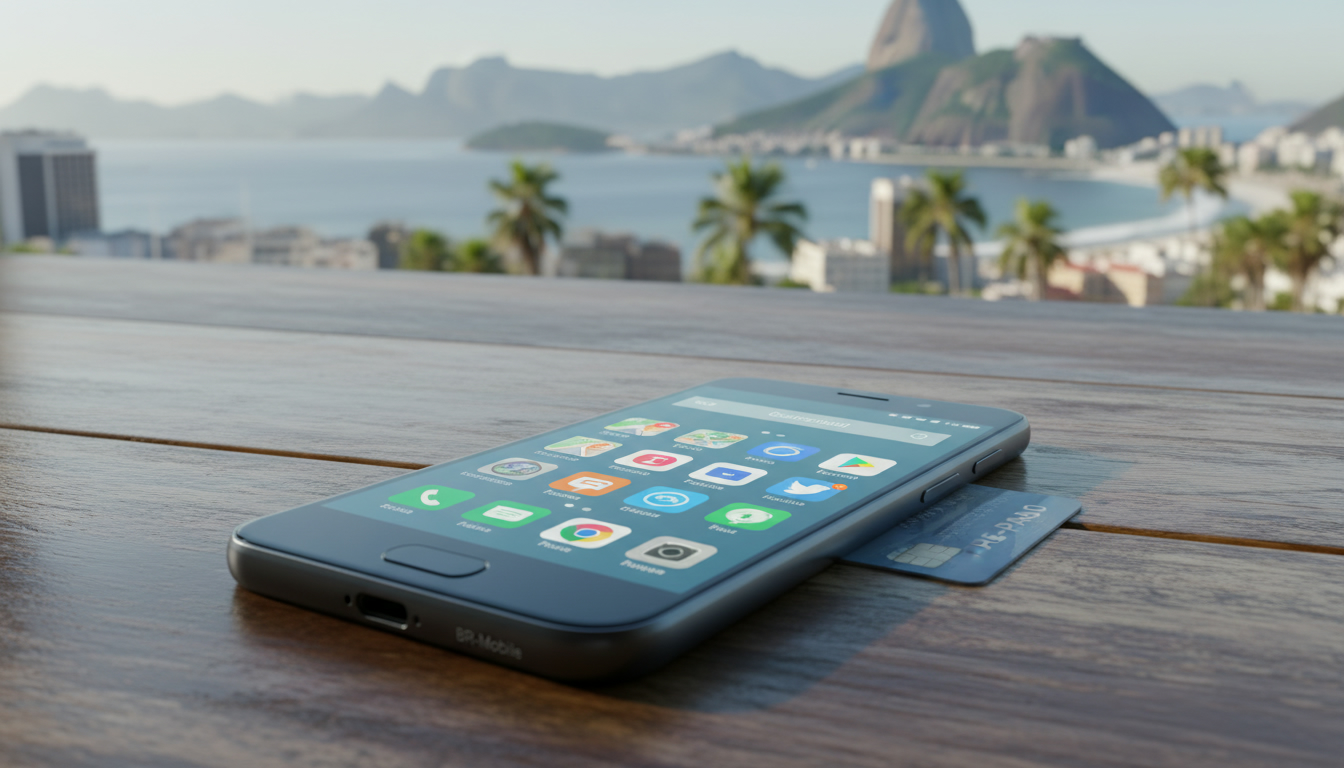
In short, what you'll discover in this article: Explore why choosing a prepaid smartphone is a smart move, understand the key differences between prepaid and postpaid plans, and get expert tips on selecting the best prepaid smartphone and plan for your needs in Brazil. Save money, avoid contracts, and stay connected effortlessly.
1. Introduction — Why Choose a Prepaid Smartphone?
Choosing a prepaid smartphone offers flexibility and control over your mobile expenses. Without the need for a long-term contract, you can switch plans or carriers easily, making it ideal for travelers or residents seeking affordable options.
Prepaid smartphones often come with no credit checks and allow you to pay only for what you use, which helps avoid unexpected bills.
This approach is perfect for those who want to manage their monthly budget tightly while still enjoying modern smartphone features. Whether you’re looking for a prepaid smartphone with unlimited data or simply the cheapest prepaid smartphone options, the market offers plenty of choices tailored to different needs.
2. Prepaid vs Postpaid
2.1 Key Differences
The main distinction between prepaid and postpaid smartphones lies in payment structure and commitment:
- Prepaid: Pay upfront for your service without any contract. You recharge your balance as needed.
- Postpaid: Receive a monthly bill after using services, usually tied to a contract lasting 12 to 24 months.
Prepaid plans typically offer more flexibility but may have fewer perks like device subsidies or bundled services.
2.2 Pros and Cons by User Profile
- For Budget-Conscious Users: Prepaid smartphones help control spending since you pay only for what you need.
- For Heavy Users: Postpaid plans might offer better value with unlimited data but require contracts.
- For Travelers: Prepaid plans avoid roaming charges and allow easy switching between local carriers.
- For Long-Term Residents: Postpaid plans can provide better deals on high-end devices but less flexibility.
3. Types of Prepaid Plans
3.1 Pay-As-You-Go
This plan charges you only for the calls, texts, or data you use without any monthly fee. It’s ideal if your usage is irregular or minimal.
3.2 Monthly Plans
You pay a fixed amount monthly for a set bundle of minutes, texts, and data. These plans often provide better rates than pay-as-you-go.
3.3 Data Passes
Short-term data packages that can be added on demand, perfect for travelers needing internet access without committing to a full plan.
4. How to Choose a Smartphone for a Prepaid Plan
4.1 Network Compatibility and 4G/5G Bands
Ensure the phone supports the network bands used by Brazilian carriers like Claro, Vivo, and TIM for reliable coverage and fast speeds.
4.2 eSIM and Dual-SIM Features
Many modern prepaid smartphones support eSIM technology, allowing instant activation without physical SIM cards. Dual-SIM phones enable using two numbers simultaneously—great for separating personal and travel lines.
4.3 Battery Life, Storage, and Performance
Look for phones with long battery life to avoid frequent charging during travel or busy days. Adequate storage and smooth performance ensure your apps run well without lag.
5. Recommended Models for Prepaid Use
5.1 Budget (≤150€)
Affordable smartphones from brands like Motorola or Samsung offer solid features suitable for basic use on prepaid plans.
5.2 Mid-Range
Models such as the Samsung Galaxy A series or Xiaomi Redmi provide better cameras, faster processors, and larger screens while remaining budget-friendly.
5.3 Refurbished Phones and Why Consider Them
Buying reconditioned smartphones can save money while offering higher specs than new budget models. They’re tested for quality and often come with warranties.
6. Where to Buy and Activate a Prepaid SIM
6.1 In-Store vs Online Purchase
Buying in-store allows immediate activation assistance; online stores like Walmart or Best Buy offer convenience and often better deals on prepaid smartphones bundled with service.
6.2 Step-by-Step Activation
Activation usually involves inserting the SIM card or scanning an eSIM QR code, then configuring settings as instructed by the carrier or retailer.
7. Technical Setup After Activation
7.1 APN Settings
Configure Access Point Name (APN) settings to enable mobile internet on your device; these vary by carrier but are often auto-configured.
7.2 VoLTE / Wi-Fi Calling / MMS
Enable Voice over LTE (VoLTE) and Wi-Fi calling if supported to improve call quality; MMS settings allow sending multimedia messages.
8. Optimizing Data Usage and Cost
8.1 Usage Tracking Tools
Use built-in phone features or carrier apps to monitor your data consumption in real time to avoid overages.
8.2 Tips to Save Data
- Connect to Wi-Fi whenever possible.
- Limit background app data.
- Use data compression browsers or apps.
9. Portability and Switching Carriers
9.1 Procedure, Timing, and Possible Fees
Porting your number from one prepaid carrier to another is usually straightforward but may take several days; some carriers charge small fees.
10. Roaming and International Use with Prepaid Plans
10.1 Best Practices and Exceptions
Prepaid plans generally don’t include roaming; consider buying local prepaid SIMs or eSIMs when traveling abroad to avoid high fees.
For Brazil travelers, check out specialized eSIM data plans tailored for seamless connectivity without roaming fees at brazil-esim.com/blog/brazil-travel-esim.
11. Security and Privacy on Prepaid Phones
11.1 Data Protection Tips
Keep your phone updated with the latest security patches, use strong passwords, and avoid installing untrusted apps.
11.2 Backup Recommendations
Regularly back up contacts, photos, and important files using cloud services or local storage to prevent data loss.
12. Quick Comparison of Major Prepaid Operators in Brazil
When choosing a prepaid smartphone plan in Brazil, consider providers like Claro, Vivo, TIM, as well as eSIM providers such as Roamic or LinkeSIM offering competitive deals:
| Provider | MyBestSim Rank | Rating | Promo Code | Discount |
|---|---|---|---|---|
| Roamic | 1 | 4.5 | MYBESTSIM | -5% unlimited |
| Yesim | 3 | 4.7 | MYBESTSIM20 | -20% discount |
| LinkeSIM | 4 | 4.5 | MYBESTSIM | -5% unlimited |
| Saily | 8 | 4.6 | MYBESTSIM | -10% unlimited |
| SIMOVO | 12 | 4.5 | MYBESTSIM | -5% unlimited |
| Yatelo | 17 | 4 | MYBESTSIM | -10% unlimited |
These providers offer various data packages starting from around $3 USD for short-term use up to monthly plans with unlimited options—ideal if you want a prepaid smartphone with unlimited data at affordable prices.
13. Conclusion and Call to Action
Switching to a prepaid smartphone plan offers unmatched flexibility, cost control, and convenience—especially if you want no-contract freedom in Brazil or while traveling there. Whether you prioritize budget models or mid-range phones with advanced features, plenty of options exist that fit your lifestyle perfectly.
To find the best prepaid smartphone deals tailored to Brazil’s market—including exclusive promo codes—visit brazil-esim.com/blog/esim-brazil where you can compare offers easily before making your choice!
FAQ
What are the main benefits of prepaid smartphones?
Prepaid smartphones offer flexibility by avoiding long-term contracts and credit checks. They allow users to control spending by paying only for what they use, making them ideal for budget-conscious individuals and travelers.
How do prepaid plans differ from postpaid plans?
Prepaid plans require upfront payment without contracts, while postpaid plans bill monthly and often involve long-term commitments. Prepaid offers more flexibility but fewer perks like device subsidies.
Which prepaid smartphone features matter most in Brazil?
Key features include network compatibility with Brazilian carriers, support for 4G/5G bands, eSIM and dual-SIM capabilities, plus good battery life and storage to ensure smooth daily use.
Are refurbished phones a good option for prepaid plans?
Yes, refurbished phones can provide higher specs at lower prices than new budget models. They are quality-tested and often come with warranties, making them a smart choice for prepaid users.
How can I activate a prepaid SIM card easily?
Activation usually involves inserting a physical SIM or scanning an eSIM QR code, followed by configuring settings as guided by the carrier. In-store purchases often include activation assistance.

Marina Costa
Marina is a travel writer who has crossed Brazil from Rio to the Amazon. At Brazil eSIM she compares Claro, Vivo and TIM data plans and helps visitors stay online without roaming fees.