How to Choose the Best Isim Data Plan for Brazil in 2026
9/16/2026
What Is "Isim"? Understanding Its Meaning, Origin, and Usage
The term "isim" is a word that often sparks curiosity because it appears simple yet carries cultural and linguistic significance. In Turkish, "isim" means "name"—a fundamental concept used daily to identify people, places, or things.
This straightforward definition is just the starting point for understanding the broader context and nuances of the word.
If you recently heard "isim" in conversation and wondered about its meaning or origin, this article will clarify what it refers to, how it’s pronounced, its cultural relevance, and why it matters in language. I’ll also explain how this term connects with other uses and variations you might encounter.
The Definition and Pronunciation of "Isim"
The Meaning of "Isim" in Turkish
In Turkish, "isim" literally translates to "name." It is a noun used to denote the label or designation given to a person, place, object, or concept. Unlike some languages where "name" can have multiple synonyms depending on context, Turkish uses "isim" as the standard term for this purpose.
This word is foundational in grammar as well. In Turkish linguistics, "isim" also refers to nouns in general—the category of words that name entities.
This dual usage is a key linguistic feature: when someone says “isim,” they might mean a proper name or simply a noun.
Pronunciation Guide
The pronunciation of "isim" follows Turkish phonetics:
- The first syllable sounds like “ee” (as in “see”).
- The second syllable sounds like “sim”, with a short “i” as in “sit.”
Phonetically, it’s pronounced roughly as [ee-sim] with equal stress on both syllables. This clear vowel sound makes it easy to recognize once you hear it.
The Origin and Historical Context of "Isim"
Etymology and Linguistic Roots
The word "isim" traces back to Arabic origins. It comes from the Arabic word “ism” (اسم) which also means “name.” Arabic has influenced Turkish vocabulary extensively due to centuries of cultural and religious interaction during the Ottoman Empire period.
This borrowing is not unique to Turkish; many languages influenced by Arabic have similar terms for “name.” However, Turkish adapted the pronunciation and spelling to fit its phonetic system, resulting in “isim.”
The Cultural Significance of Names in Turkish Society
Names carry deep cultural weight in Turkey. Choosing a name ("isim") for a child involves considerations about meaning, family heritage, and sometimes religious significance.
Because “isim” also means noun grammatically, it reflects how language and identity intertwine closely.
Understanding this connection helps explain why the word is so common yet rich in meaning. It’s not just a label but part of how people express identity and belonging.
Variations and Usage of "Isim" Across Languages
Variations of the Name "Isim"
While “isim” itself is a common word rather than a personal name in Turkish, variations or similar-sounding names exist in other cultures:
- In some African contexts (such as Cameroon), ISIM stands for Institut Supérieur de l’Innovation et des Métiers, an educational institution focused on innovation.
- In other languages or dialects, similar phonetic forms might appear but with different meanings or uses.
These variations highlight that “isim” can be both a common noun and an acronym depending on context.
Use of "Isim" Beyond Turkish
Outside Turkey, “isim” may appear as:
- A brand or organization name (e.g., ISIM business schools or training centers).
- A technical term unrelated to language (e.g., Integrated SIM or iSIM in telecommunications).
This diversity can cause confusion if you encounter the word without context. For example, at Brazil eSIM we focus on eSIM technology—where iSIM stands for Integrated SIM, a new embedded SIM standard introduced by Qualcomm and Thales at MWC 2023—but that’s unrelated to the linguistic meaning of “isim.”
How Understanding "Isim" Connects to Broader Language Learning
Why Knowing the Meaning Matters
When learning Turkish or exploring languages influenced by Arabic roots, recognizing words like “isim” helps build vocabulary efficiently. It also aids comprehension because many grammatical explanations use “isim” to refer to nouns broadly.
For travelers or digital nomads using eSIM technology in Brazil or elsewhere, understanding such terms can deepen cultural appreciation when interacting with locals or studying language basics.
Practical Tip: Avoid Confusing Similar Terms
I always start by distinguishing between homophones or acronyms that look alike but mean very different things. For instance:
- Isim (Turkish) = name/noun
- iSIM (Tech) = Integrated SIM card technology
- ISIM (Institutions) = Various educational institutes worldwide
Mixing these up can lead to misunderstandings especially when researching online or reading technical documents.
Where to Learn More About Related Topics
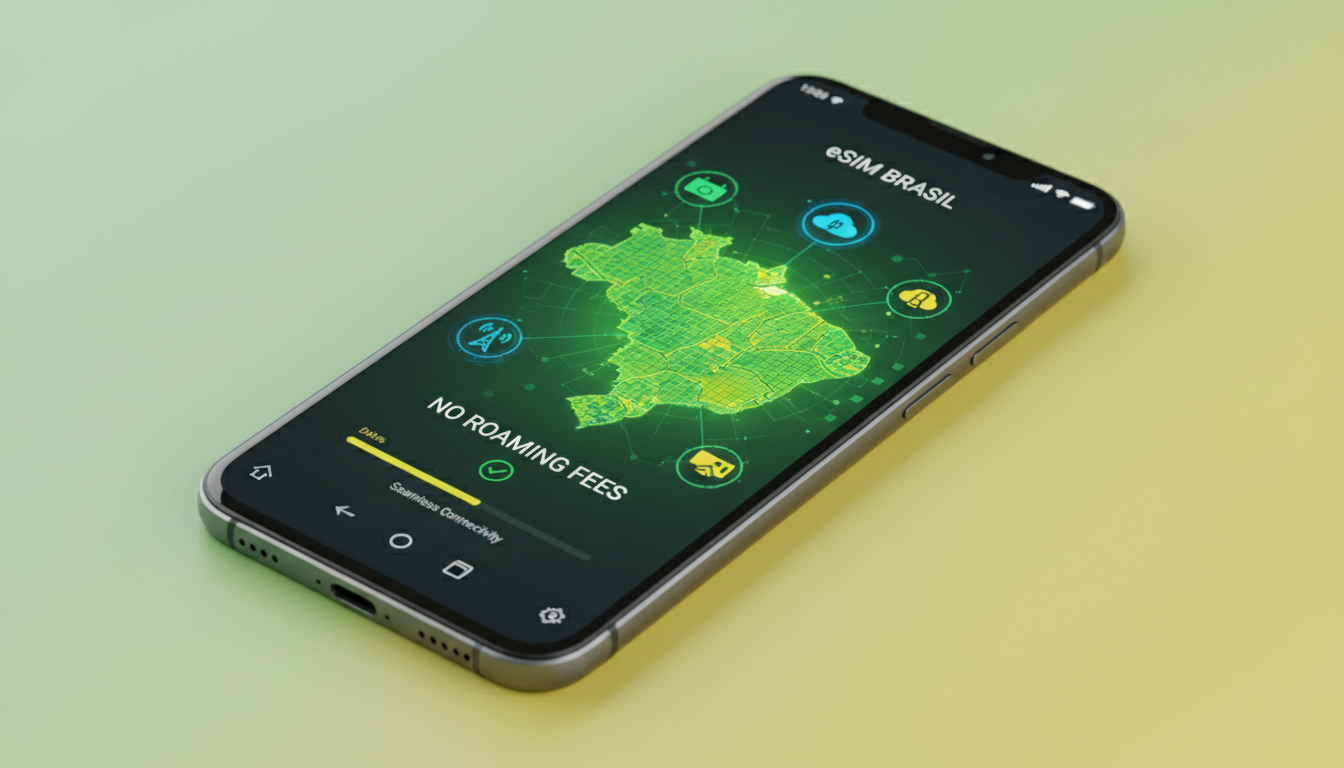
If you want detailed guidance on staying connected while traveling—especially using eSIM data plans in Brazil—I recommend checking out resources like how to get eSIM in Brazil and Brazil eSIM activation. These guides explain how to activate your eSIM instantly without roaming fees across Rio de Janeiro and the Amazon region.
For those curious about the best eSIM providers for Brazil including Claro, Vivo, and TIM coverage options with verified discount codes, the best eSIM Brazil comparison offers up-to-date insights based on real user ratings from MyBestSim.
This exploration shows that while “isim” might seem like a simple word at first glance, it carries layers of meaning from linguistic roots to cultural significance. Whether you’re learning Turkish vocabulary or navigating tech acronyms related to eSIMs, understanding these distinctions enriches your knowledge and helps avoid confusion.
FAQ
What does the word 'isim' mean in Turkish?
'Isim' in Turkish means 'name' and is used to identify people, places, or things. It also refers broadly to nouns in Turkish grammar, making it a fundamental word in both everyday language and linguistic contexts.
How is 'isim' pronounced in Turkish?
'Isim' is pronounced as [ee-sim], with the first syllable sounding like 'ee' in 'see' and the second like 'sim' with a short 'i' as in 'sit.' Both syllables receive equal stress.
What is the origin of the Turkish word 'isim'?
The Turkish word 'isim' originates from the Arabic word 'ism,' meaning 'name.' This reflects historical linguistic influence from Arabic during the Ottoman Empire, adapted to Turkish phonetics.
Are there other meanings or uses of 'isim' outside Turkish?
Yes, 'isim' can refer to acronyms like educational institutions (e.g., Institut Supérieur de l’Innovation et des Métiers) or technical terms such as iSIM, an embedded SIM technology unrelated to the Turkish meaning.
Why is understanding 'isim' important for language learners?
Knowing 'isim' helps learners grasp Turkish vocabulary and grammar since it means both 'name' and 'noun.' It also aids in distinguishing it from similar-sounding technical terms, preventing confusion.

Marina Costa
Marina is a travel writer who has crossed Brazil from Rio to the Amazon. At Brazil eSIM she compares Claro, Vivo and TIM data plans and helps visitors stay online without roaming fees.